Walk through any office tower, hospital wing, or distribution center at dawn and you will meet the real building boss: the HVAC system humming away on the roof. When ducts are clean and coils breathe, tenants stop complaining about mystery headaches, dotted ceiling tiles, or that faint smell of last winter. When they are not, energy bills creep, sensors drift off spec, and the only things moving briskly through your ducts are dust bunnies and spores with ambition.
Choosing the right commercial duct cleaning company looks simple on paper. It is not. The work sits at the intersection of HVAC service, hygiene, construction, and logistics. And your vendor will be poking holes, lifting ceiling tiles, erecting negative air containments, and tugging on components that can cost five figures if they break. A low bid with a shop-vac and a smile can quickly turn into overtime, noise complaints, and fiber shedding that takes weeks to chase from return grilles.
I have hired crews for medical offices, food packaging plants, and a 1970s high school with duct liner that crumbled if you glared at it. Along the way I have learned the questions that separate show ponies from workhorses. If you want a shortlist before the deep dive, park your coffee and circle this.
- Are they certified by NADCA and do they follow ACR, The NADCA Standard, for commercial work? What exact scope and components are included, and how will they document results beyond “looks cleaner”? Which equipment and containment methods will they use for your system type, and how will they protect occupied areas? What chemicals, if any, will they apply, and are those labeled and approved for HVAC use with Safety Data Sheets on hand? How will they price change orders when they find surprises behind sealed access doors and how do they handle after-hours work?
That list will do for a site walk, but let us unpack why these questions matter, and how to tell when an answer is confident experience instead of a brochure recitation.
Why “commercial duct cleaning” is its own animal
Residential duct cleaning leans heavily on flexible whips, portable vacuums, and the art of showing homeowners a pile of fuzz. Commercial systems push far more air, live behind complicated controls, and carry the fallout of a thousand decisions: renovation dust, a coil installed backward in 2008, or a filter bypass path that has been feeding carpet fiber into the supply for a decade. The stakes are higher because disruption has a cost. In a 500,000 square foot logistics hub, a shutdown hour can cost five figures. In an ambulatory surgical center, negative pressure missteps are not merely inconvenient.
Your vendor needs mechanical literacy, not just cleaning tools. They should know what a VAV box looks like with the panel off, why an economizer damper that fails open can bury a prefilter in cottonwood, and how to measure static pressure without convincing a BMS that the sky is falling.
What you are actually trying to fix
It sounds obvious, but start with the complaint. Dirty ducts are rarely the root cause, more often the symptom.
- Tenants complain of dust on desks an hour after housekeeping. This often ties to filter bypass at the air handler, not duct dirt. I once opened a filter rack and found an inch of daylight along the frame. We sealed it and complaints dropped by 80 percent without touching a single duct run. A food plant smells like last shift’s onions at 6 a.m. That can be an issue with return paths short-circuiting to production, or a coil that became a biofilm condo. Duct cleaning might help, but coil cleaning, drain pan fixes, and pressure balance work usually move the needle more. A school suffers intermittent musty odors after rain. Lined ductwork downstream of a cooling coil can have microbial growth. Cleaning helps, but so does reducing wet time, fixing insulation wicking, and sealing leaks.
A solid company asks diagnostic questions and proposes measurements. Expect talk of before and after static pressure at the coil, particulate counts near supply diffusers, coil delta T changes when clean, or change in pressure drop across filters after they fix bypass. If the salesperson only wants to show you a camera inside a duct without asking about system behavior, keep your wallet close.
Credentials that matter, and what they really mean
NADCA certification is not a golden halo, but it is a strong first filter. The Air Systems Cleaning Specialist (ASCS) and Certified Ventilation Inspector (CVI) credentials require study and exams rooted in ACR, The NADCA Standard. Ask who on the crew holds which credential and whether that person will be on site, not at a different job two cities away.
Insurance should be non-negotiable. You want general liability, workers’ compensation, and ideally pollution liability given the possibility of disturbing contaminants. Ask for COIs that name your organization as additional insured. If they blink, move on.
For healthcare, ask about ICRA training. Infection Control Risk Assessment protocols dictate barriers, negative pressure, and cleaning pathways. A crew that has never zipped a softwall containment or logged manometer readings does not belong above a functioning NICU.
Also, do not conflate kitchen exhaust hood cleaning with HVAC duct cleaning. NFPA 96 governs grease hoods and exhaust, which is a cousin, not a twin. If your scope touches kitchen exhaust, that is a separate discipline with different tools and frequency requirements.
What good scope language looks like
A proposal with “clean all ducts and registers” is a red flag disguised as a shortcut. Meticulous vendors show system diagrams or at least component lists. They name specific air handling units by tag, specify zones or floors, and break out components that often get skipped: VAV boxes, reheat coils, turning vanes, and plenums. They list how many access openings they will cut and how they will seal them. They call out ceiling work, lift requirements, and after-hours windows. They note how they will protect finishes and furniture.
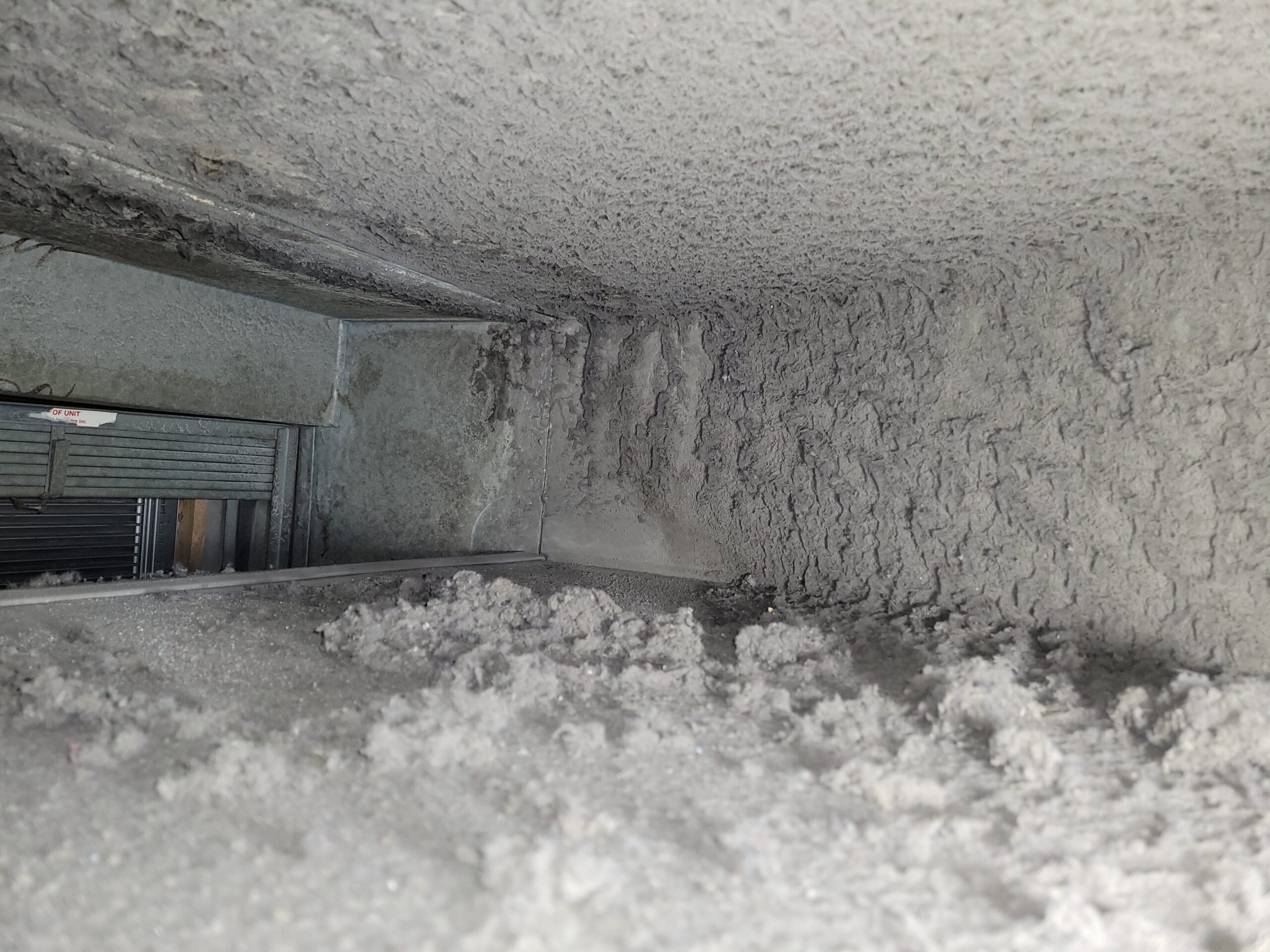
I like to see a documentation plan in writing. Still photos at minimum, short videos for tricky spots, and a report that pairs images with locations. A one page “all clean” letter invites arguments later. A detail like “before and after photographs of AH-4 supply plenum interior, including downstream side of cooling coil, plus manometer readings of coil delta P” tells me the foreman has been to this rodeo.
Equipment and techniques, without the smoke and mirrors
The right gear looks boring. HEPA filter banks rated at 99.97 percent at 0.3 microns, negative air machines that move serious air, and agitation tools built to loosen debris without shredding liner. For large mains, truck mounted vacuums with 5,000 to 10,000 cfm capacity can pull heavy debris if access allows. For high-rise interiors and sensitive areas, portable HEPA units with 2,000 to 3,000 cfm often make more sense. No shame in either, as long as the equipment matches the duct size and layout.
Surface agitation separates token cleaning from real work. Rotating brush systems, compressed air whips, and skipper balls are common. The art lies in selecting the gentlest tool that still dislodges accumulated dust. Spiral duct with bare metal can take a brush with moderate stiffness. Old internal fiberglass liner will not. I have seen overzealous brushing turn a lined plenum into a confetti cannon. Ask how they will handle lined sections and flex duct, and listen for words like “soft brush,” “low pressure,” and “capture at source.”
Containment tells you how seriously a company treats your occupants. Expect sealed access openings with gaskets, zip walls around work areas, and point-of-capture HEPA on tools. In occupied offices, well run projects keep the dust inside the duct, not settling on keyboards.
Chemicals: necessary tool or expensive perfume
Most jobs do not require biocides, sanitizers, or coatings. When they do, you should hear a narrow reason. Coatings can encapsulate friable duct liner fibers after careful cleaning. EPA-registered products labeled for HVAC interiors have their place, as do coil cleaners with the right pH for fouling conditions. Random fogging to make things smell minty is theater. Require product names, SDS sheets, and labels that specifically approve HVAC application. And ask how they will protect occupants with sensitivities, especially in schools and medical spaces. Overspray drifting onto a ceiling grid above a chemo infusion bay is a career-limiting move.
The dance with operations: timing, noise, and surprises
Commercial duct cleaning rarely fits neatly between lunch and 3 p.m. Jobs involve noise, ceiling tile traffic, and occasional whiffs of what used to live in the return. Good vendors coordinate with your facilities team and your tenants. They publish a daily plan with start and stop times, notify affected suites, and carry backup filters for accidental damage. If the schedule calls for work above a trading floor, they will offer weekend windows and staff accordingly.
Expect the unexpected. I once found a bird nest, complete with two unamused starlings, lodged at a louver behind an economizer. Later that year, we discovered a sealed access panel hiding an abandoned humidifier pan full of what looked like black tea and smelled like regret. Build a 10 to 20 percent contingency for discoveries and ask how change orders get priced. The honest answer involves photos, measured quantities, and unit prices set before day one.
Measuring success like an adult
You cannot manage what you do not measure, and “looks good to me” does not count. Insist on at least one objective metric linked to your complaint.
- For dust complaints, take particulate readings in occupied areas before and after, using the same instrument and conditions. You are looking for trends, not lab precision. For airflow constraints, record static pressure upstream and downstream of the coil, plus total external static of the air handler. If cleaning drops pressure by 0.1 to 0.2 inches water column across the coil, airflow often rises noticeably at the registers. For energy savings claims, be skeptical of round numbers. I have seen marketing that promises 20 or 30 percent. In practice, coil cleaning plus sealing filter bypass and fixing economizer controls can bring 5 to 15 percent on fan energy and improve temperature control. Duct cleaning alone without addressing other issues rarely pays for itself on energy in a single year. Worth it for hygiene and occupant satisfaction, yes. A free lunch, no.
Images still matter, especially inside plenums and downstream of coils. Ask for annotated photos and insist they capture the same spots for before and after.
Edge cases that trip up generous budgets
Not every duct is a duct, and not every contaminant should be disturbed without a plan.
Old buildings sometimes hold asbestos containing materials inside or near ductwork, such as duct wrap, vibration joints, or fire doors packed with vermiculite. If your mechanical rooms date to the 1970s or earlier and have never been abated, get a survey before anyone starts sawing access openings. Friable materials plus agitation equal a shutdown you will never forget.
Fiberglass duct board and lined sheet metal need special handling. Over-cleaning can liberate fibers and worsen symptoms. Sometimes the right move is to clean gently, then encapsulate liner with a coating designed for HVAC interiors. In labs or clean manufacturing spaces, that coating choice intersects with cleanroom protocols and off-gassing rules.
Mold is a word that heats rooms. Remember that cleaning removes growth, but moisture drives it. If you do not fix the conditions that kept the surface wet - condensate carryover, missing insulation, or negative pressure pulling humid air in - it will return. Some states require licensed assessors or remediators for mold jobs over a certain size. Know your jurisdiction.
Lead dust can exist in older schools and buildings under renovation. If you are cleaning returns in a wing where painters just stripped trim, HEPA collection and proper waste handling rules apply.
Pricing that won’t ambush you later
Bids come in across a wide range because scope and risk vary wildly. Some vendors price per square foot of conditioned space. I prefer pricing tied to actual work: number of air handling units, length and size of duct runs, number of VAV boxes, plenum volumes, and how many access doors they will cut and patch. That discourages the old “yes to everything, then disappear inside the ceiling grid” routine.
Ask what is included for access repairs. Cutting an access opening is easy. Patching it so it seals and meets SMACNA standards takes time and materials. Expect gaskets, screws at proper spacing, and mastic or approved sealant. If a proposal includes “access doors by others,” budget for a sheet metal contractor and coordination calls you did not plan.
Night or weekend premiums are normal and worth paying. Quiet cleaning does not exist. Negative air machines hum like a jet on idle, and whips tapping duct walls sound like an impatient drummer. If your tenant mix cannot absorb that, buy the right time window.
How a site walk should feel
A worthwhile vendor will want a walk with someone who knows the building. They will ask for floor plans and mechanical schedules, then ignore half of that and look at grilles, ceilings, and rooftop units with a flashlight. Expect them to pop a return grille, peek at lining, shine a light inside a supply trunk, and ask about filter change history. They will want to see drain pans and coil faces more than once. They will ask where to stage equipment, which elevator can hold a 300 pound negative air unit, and whether the loading dock height matches their truck.
Pay attention to the little things. Do they carry drop cloths and painter’s tape even at the walk through? Do they mention where to park a HEPA unit so it will not block an egress path? That foresight shows up again on the third night when the building is tired and someone, somewhere, just spilled coffee into an open ceiling tile.
For special occupancies, double the care and triple the planning
Hospitals, labs, data centers, and food facilities each come with their own alphabet soup of rules and cultural quirks. The best commercial duct cleaning outfits will adapt, or they will say no politely.
In healthcare, pressure relationships are sacred. Negative rooms must stay negative. Positive operating rooms must stay positive. Good contractors bring their own differential pressure monitors and log readings. They bag and tag debris in sealed containers, clean their HEPA carts between areas, and keep their language calm when a charge nurse changes the plan at 2 a.m.
In data centers, dust is not a nuisance, it is a silent killer. Work tends to target subfloor plenums and CRAC unit coils with precision. Vendors coordinate with facilities to maintain temperature, avoid bypass paths that lift debris onto live servers, and stage vacuums to avoid tripping breakers. If a company treats it like an office job with extra fans, pass.
Food plants live and die by sanitation schedules. Your crew will work behind allergen changeovers and CIP cycles, and they will label chemicals like they are in a chemistry exam. A night foreman who understands hairnets, color coded tools, and inspector psychology is worth their invoice.
Red flags that predict long weeks
- They promise energy savings with a round number and no measurement plan. They refuse to cut access doors and claim they can clean everything through grilles. Their proposal includes “fogging” as the primary cleaning method without surface agitation or source capture. They cannot describe how they will protect lined duct and flex, or they say brushes are fine for everything. Their insurance certificate shows general liability only and no pollution coverage.
Put it all together: a quick, realistic selection process
Start with a short list of vendors who do almost nothing but commercial duct cleaning. Ask your mechanical contractor who they trust when a job will make or break a warranty call. On the first call, press for the crew chief’s name, not just the account manager. Schedule a walk and warn them of site constraints. During the visit, ask them to open a grille, peek inside a plenum, and describe their plan in that specific space.
When proposals arrive, ignore the glossy covers. Compare scope depth, documentation promises, access door counts, and change order rules. Ask for a sample report. Call a reference and ask a human question: When something went sideways, how did they behave? You will learn more from that story than from any five star review.
Finally, plan your part. Reserve elevators and loading docks. Warn tenants. Assign a facilities lead who answers their calls. Gather filter specs so you can stock spares. Set a simple scorecard: one or two objective metrics Advanced Environmental Service to move, photos to prove progress, and a timeline that respects the building’s rhythms.
Commercial duct cleaning is not glamorous, but when done properly it makes buildings feel new in ways occupants cannot name. Air feels less tired. Fans do not strain. The coil stops sweating like it knows bad news. Choose a company that treats the work as craft, not choreography, and you will spend next season talking about anything other than dust on desks.